The method
Designed around you.
Biomechanics for movement recovery, performance, and life.
Why this approach works
Much more than muscles.
Training changes the information the nervous system receives, the way the fascial network distributes forces, and the movement options the body can use.
The nervous system organizes.
Every movement provides information about position, direction, speed, balance, pressure, and load. Varying these inputs deliberately trains perception, coordination, and motor learning, building the ability to adapt to different demands.
Fascia connects.
Fascia is a continuous network of connective tissue, adaptable and rich in nerve endings. It contributes to force transmission, to the sense of the body’s position and movement, and to the elastic response of tissues, linking the different regions of the body.
The whole system adapts.
Muscles, joints, connective tissues, and the nervous system respond together to the stimulus of movement. Effective training takes these relationships into account and adapts the work to the person, the activity, and the environment they move in.
The process
Understanding your body is the first step.Developing what it can do is the path.
Every phase starts from what your body reveals. The process adapts to your responses, which guide the choices and the progression of the path.

Assess
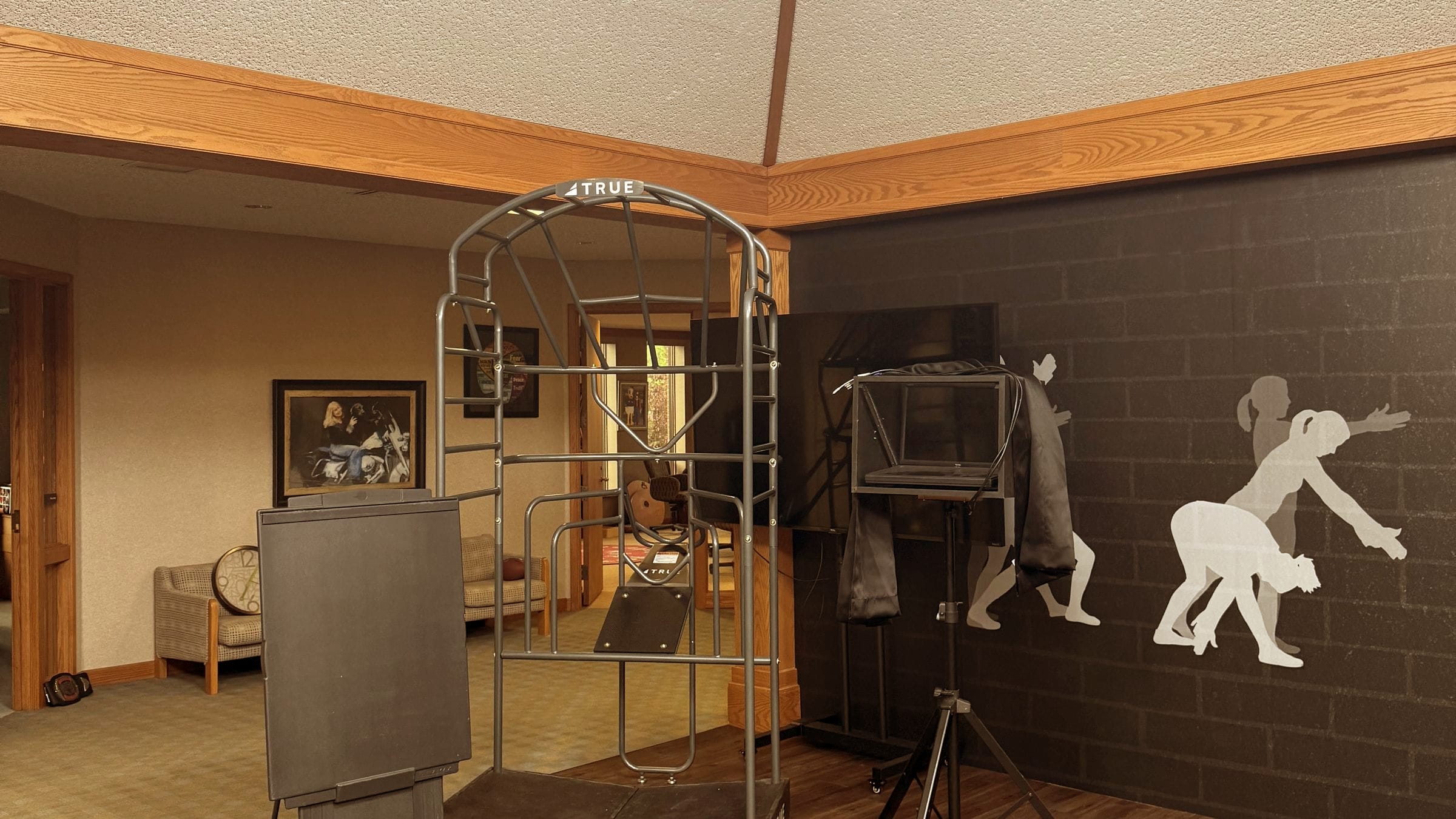
Observing how you move in the three planes and how your body absorbs and distributes forces.

Understand
Turning what the assessment shows into clear, practical information you can understand and use.
Develop
Choosing strategies and techniques suited to your abilities, your needs, and your goals.
Integrate
Connecting the mobility and control you develop to the activities of your life and your sport.

Adapt
Progressing the range, direction, speed, load, and complexity of movements according to your responses.

Build autonomy
Developing the awareness, tools, and confidence to look after your body and keep improving beyond the path.
To go deeperThe science behind the process

Movement is a chain reaction.
Create the right environment, and let the system adapt.