IScience + Possibility + Service

ITEN

Welcome to a new dimension of movement.You deserve it.

Apply See how I work A few people. A path built around you.

The science of movement recovery.The development of human performance.

I created this path to help you address persistent pain, recurring setbacks, and limits in how you move — or to build the capacities your life and your sport ask of you.

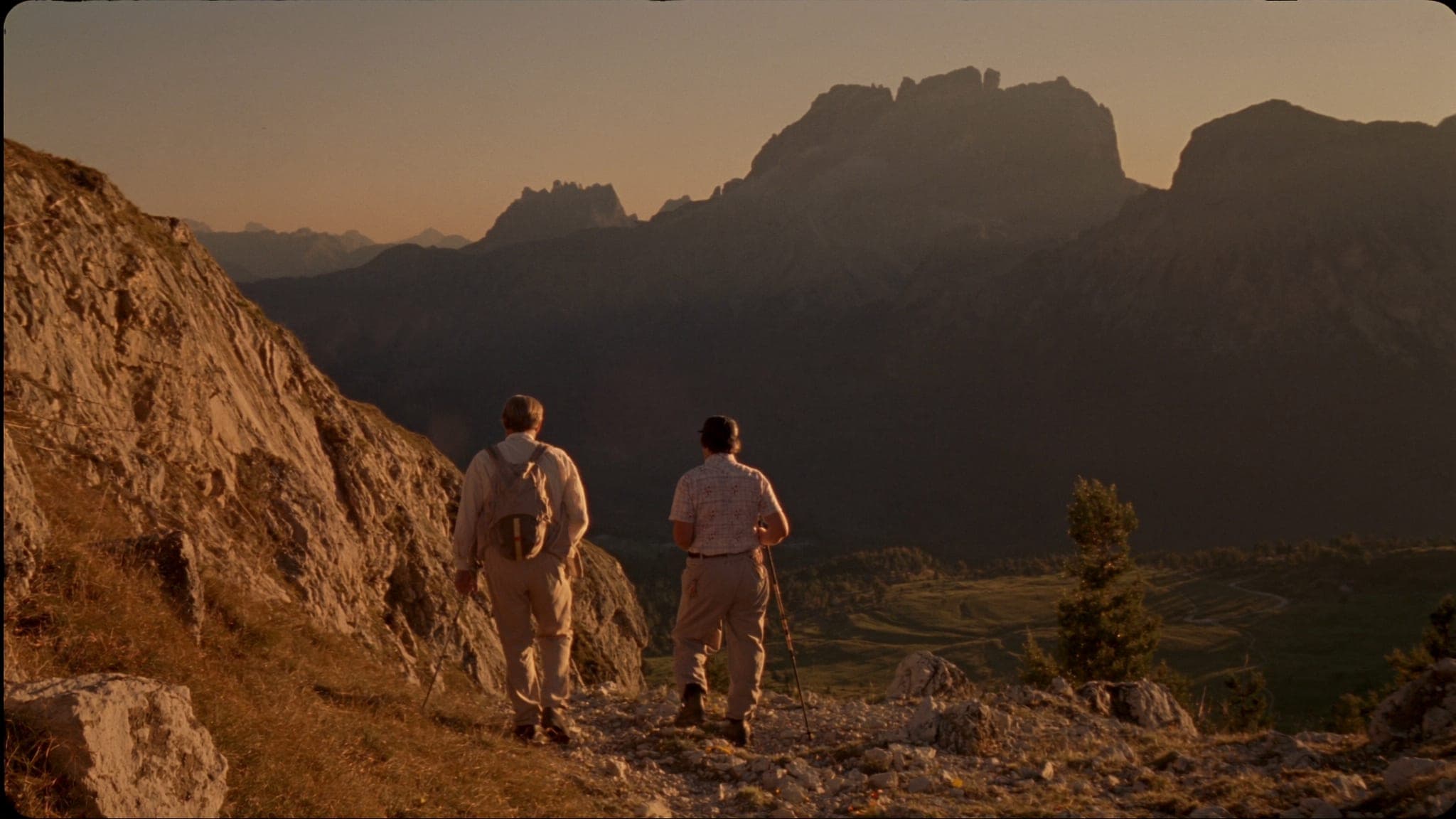
  • Getting back to the mountains.
  • Traveling with more freedom.
  • Finding your sport again.
  • Feeling sure of your body again.

Through Applied Functional Science® and biomechanics, I build a one-to-one experience that brings together knowledge, attention, and continuous guidance. I choose to work with a small number of people so I can give each of them the time and dedication this work requires.

My guidance. Our commitment.

The first step is understanding where to start.

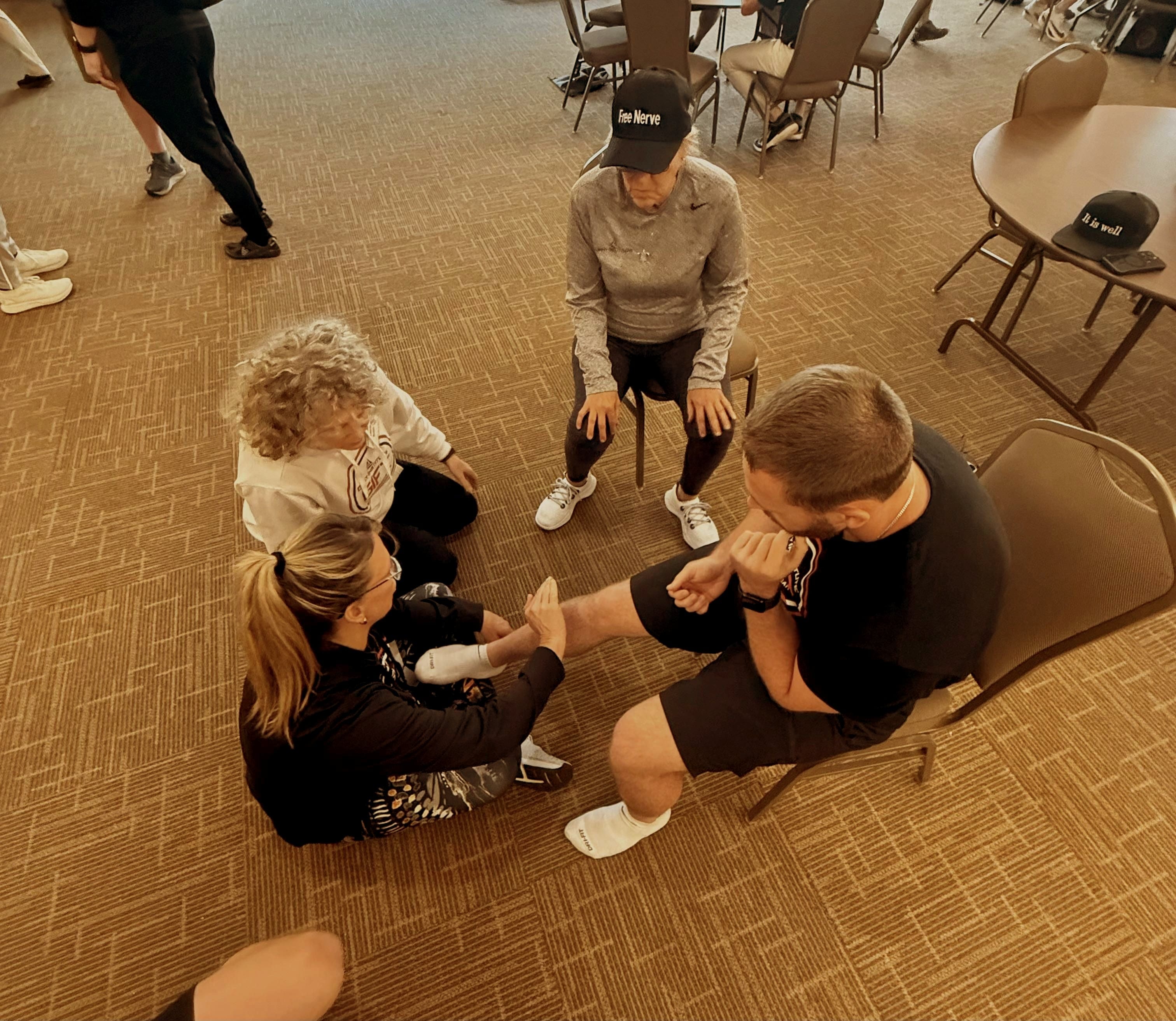
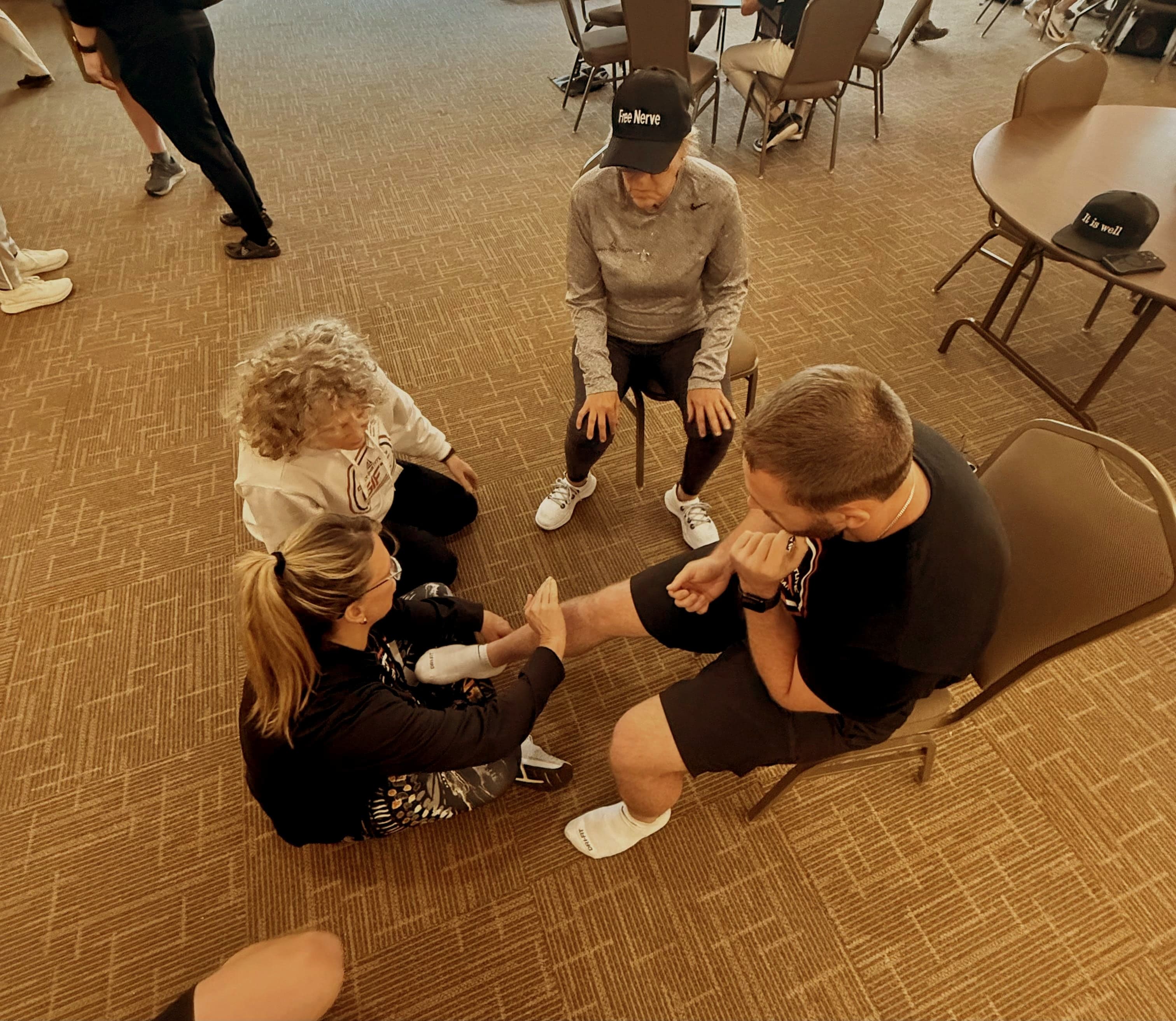
At the Gray Institute: a group works on the floor on a participant’s foot and ankle.
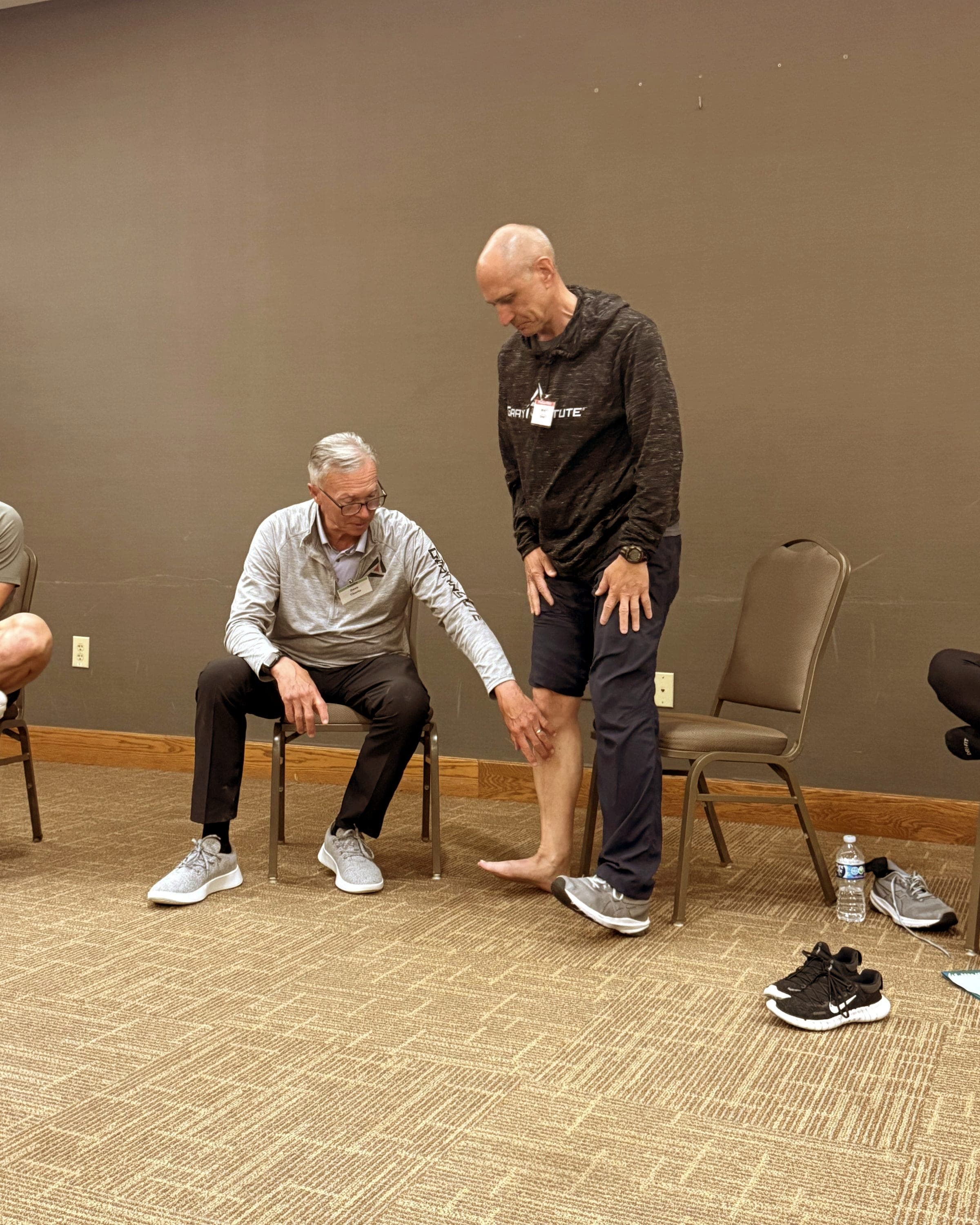
At the Gray Institute: an instructor observes the foot of a colleague standing next to him.

IIThe Assessment

If you are not assessing, you are guessing.

At the Gray Institute: an instructor observes the foot of a colleague standing next to him.
At the Gray Institute: a group works on the floor on a participant’s foot and ankle.

Ninety minutes to listen to your story, observe how you move and try the first working strategies.

We look for answers to specific questions.

  1. In which movements does your body move with ease and control?
  2. Where is movement limited, painful, or poorly controlled?
  3. How are forces absorbed and distributed?
  4. Where might the body be compensating?
  5. What changes when position, direction, range, or speed changes?

What you take home

  • The map of your story

    We connect past setbacks, movement experiences and habits, building together a map of your story and of the factors that can influence how your body responds today.

  • A personalized video of your first exercises

    To put into practice in the days that follow. You don’t need a gym: your body and a small space at home are enough.

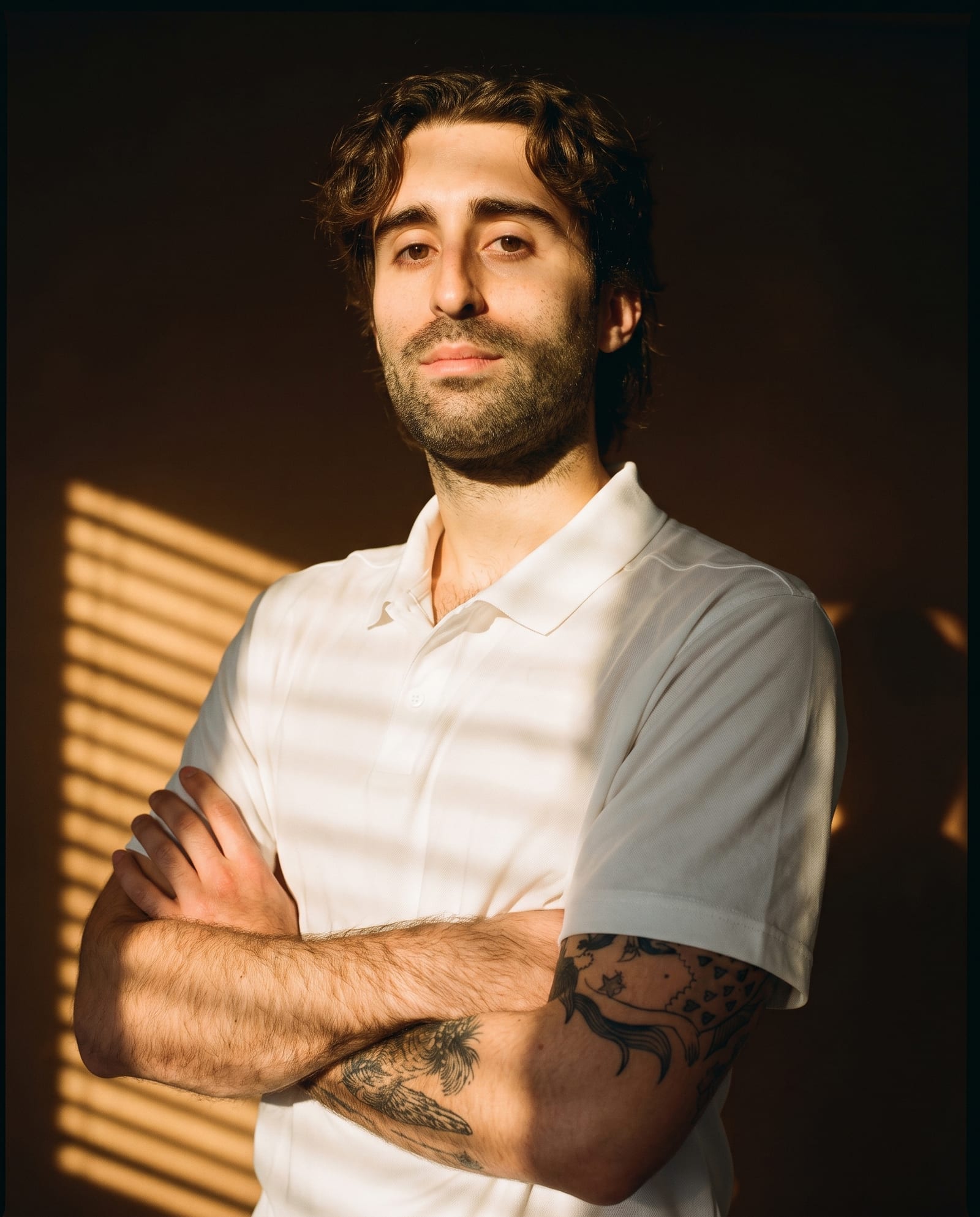
Giovanni Ventulini with arms crossed, striped sunset light through the slats, looking into the lens.

IIIMeet Giovanni

Dr. Giovanni Ventulini

Clinical kinesiologist · Fellow of Applied Functional Science

Giovanni applies exercise physiology, kinesiology, biomechanics, and Applied Functional Science to help people get their movement back, build strength, and improve performance in life and in sport.

His work rests on understanding the body as a whole: how it moves, adapts, compensates, and meets the demands of daily life and sport. Rather than starting from set exercises or looking only at the area in difficulty, he works to understand the relationships that shape each person’s movement and turn them into individual strategies aimed at that person’s goals.

Gray Institute · United States

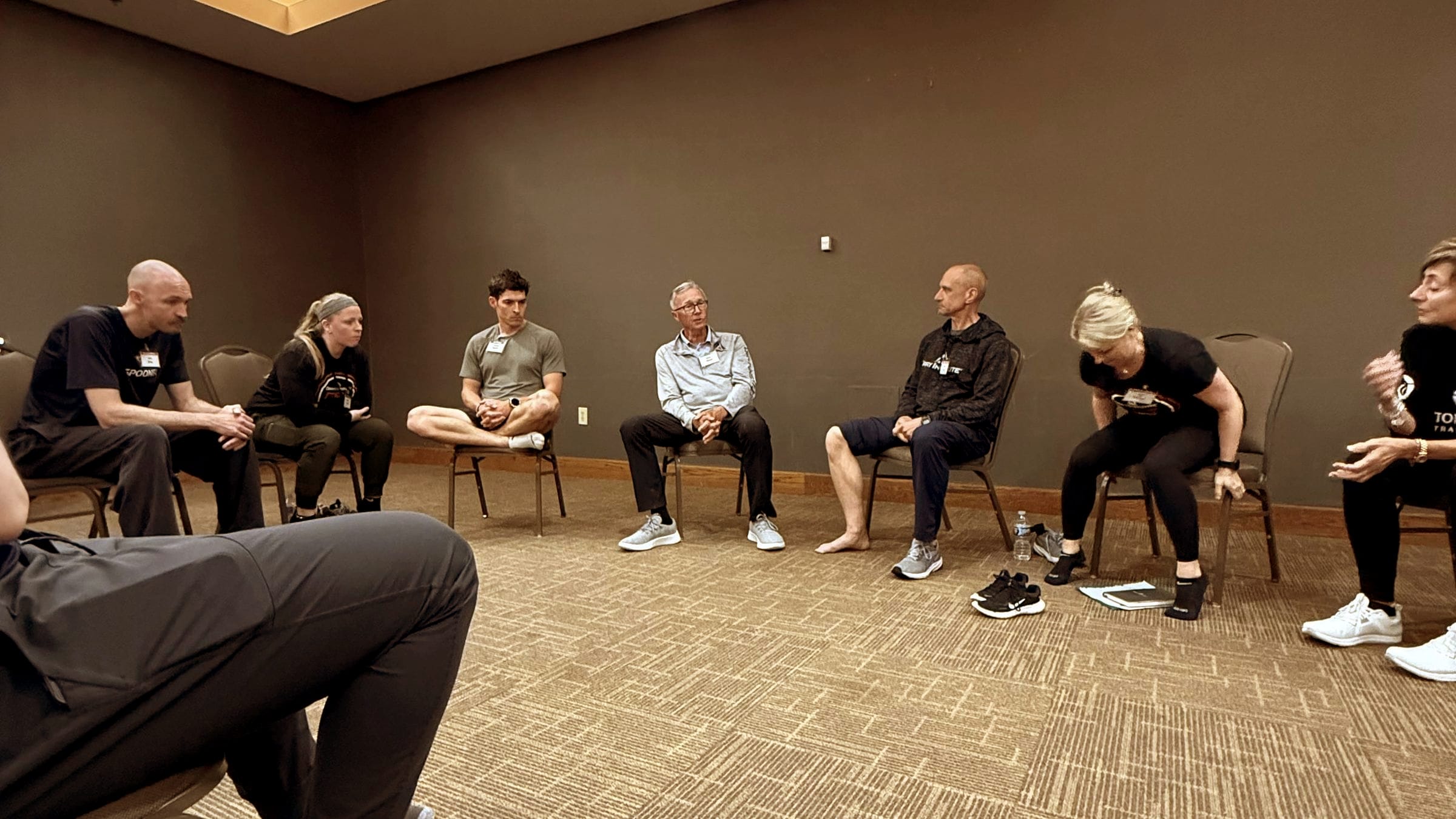
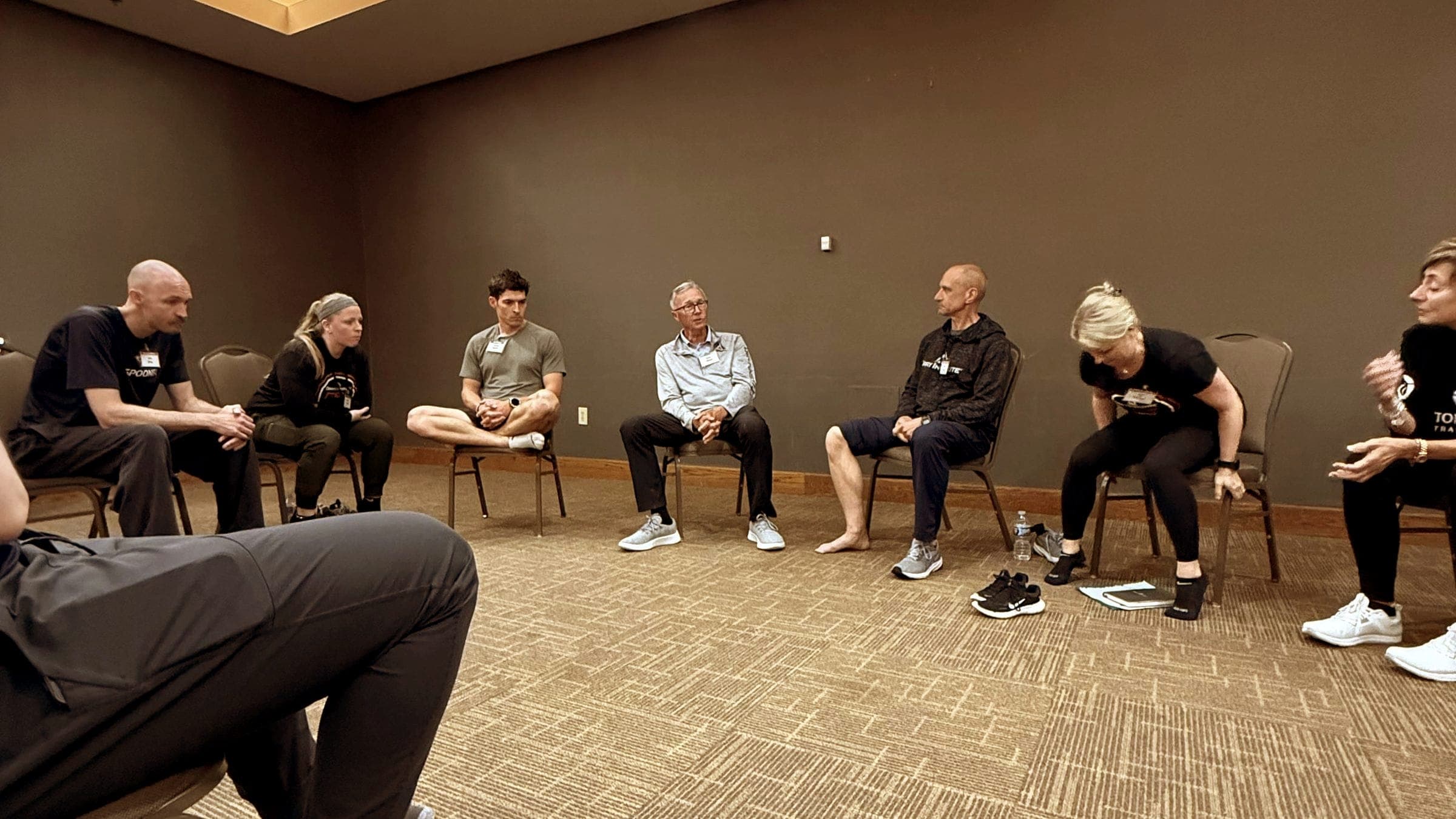
A room at the Gray Institute: participants sitting in a circle during a working session.
  1. 2024GIFTAdvanced training in Applied Functional Science, to understand the body as a whole and build personalized movement strategies. Earned the qualification of Fellow of Applied Functional Science (FAFS).
  2. 2025PlayCoachMate (PCM)A continuation of the GIFT program, going deeper into Applied Functional Science, with particular attention to teaching movement, to coaching, and to the ability to guide people.
  3. 2026Collaborate PlusAn in-depth program on the role of fascia in movement and its practical applications. Working with an international group of professionals on the creation of a new Gray Institute course.

IVThe method

Designed around you.

Biomechanics for movement recovery, performance, and life.

  1. Assess the body
  2. Understand the relationships
  3. Build the individual strategy

VIEveryday life · Athletes and sport

Functional Fitness

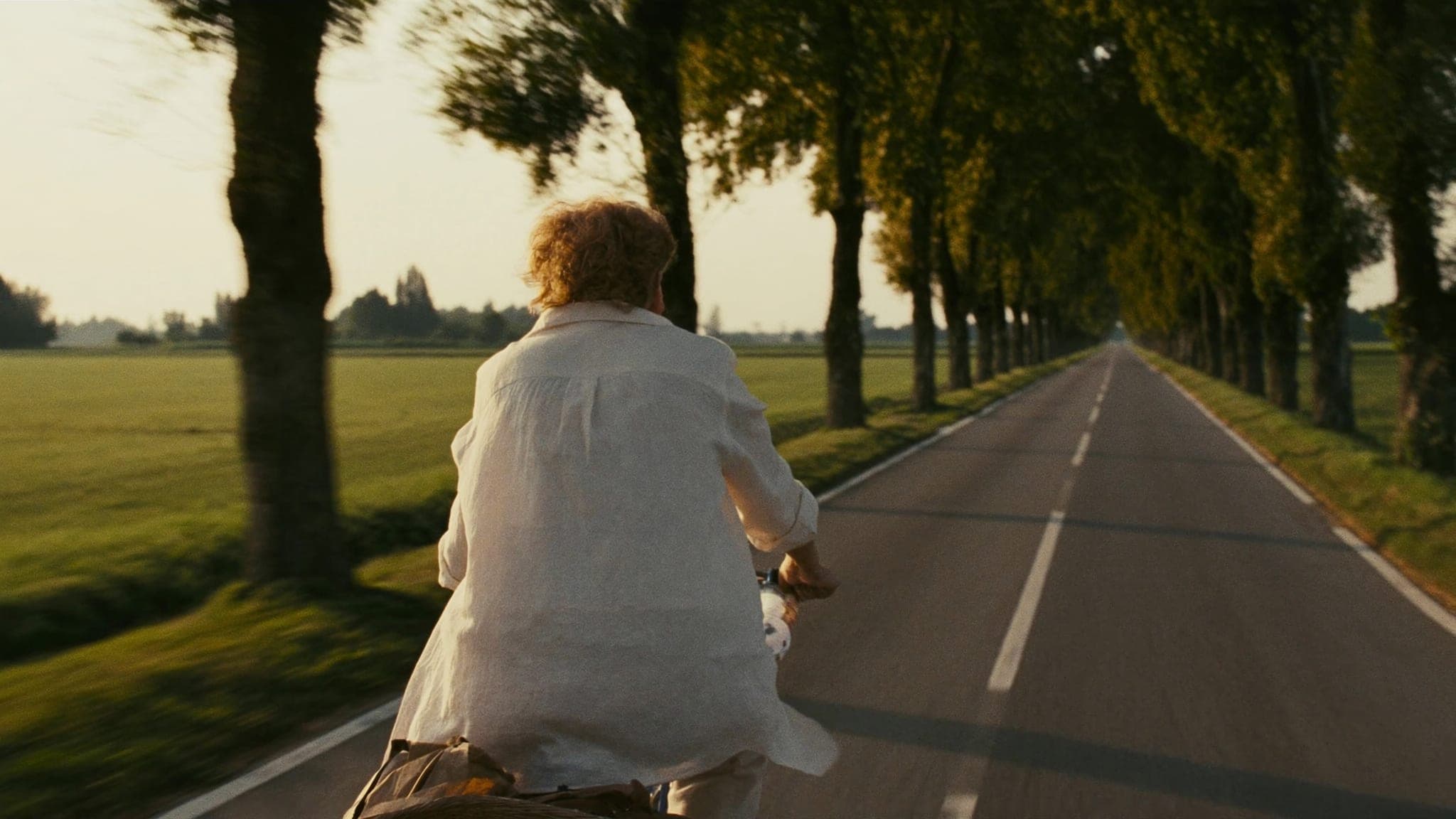
A woman seen from behind cycling down a straight road between two rows of trees, her white shirt moving in the wind, low sunset light over the fields.

Everyday life

Feel free to move again.

You should be able to do what you love. Even if you’re no longer twenty.

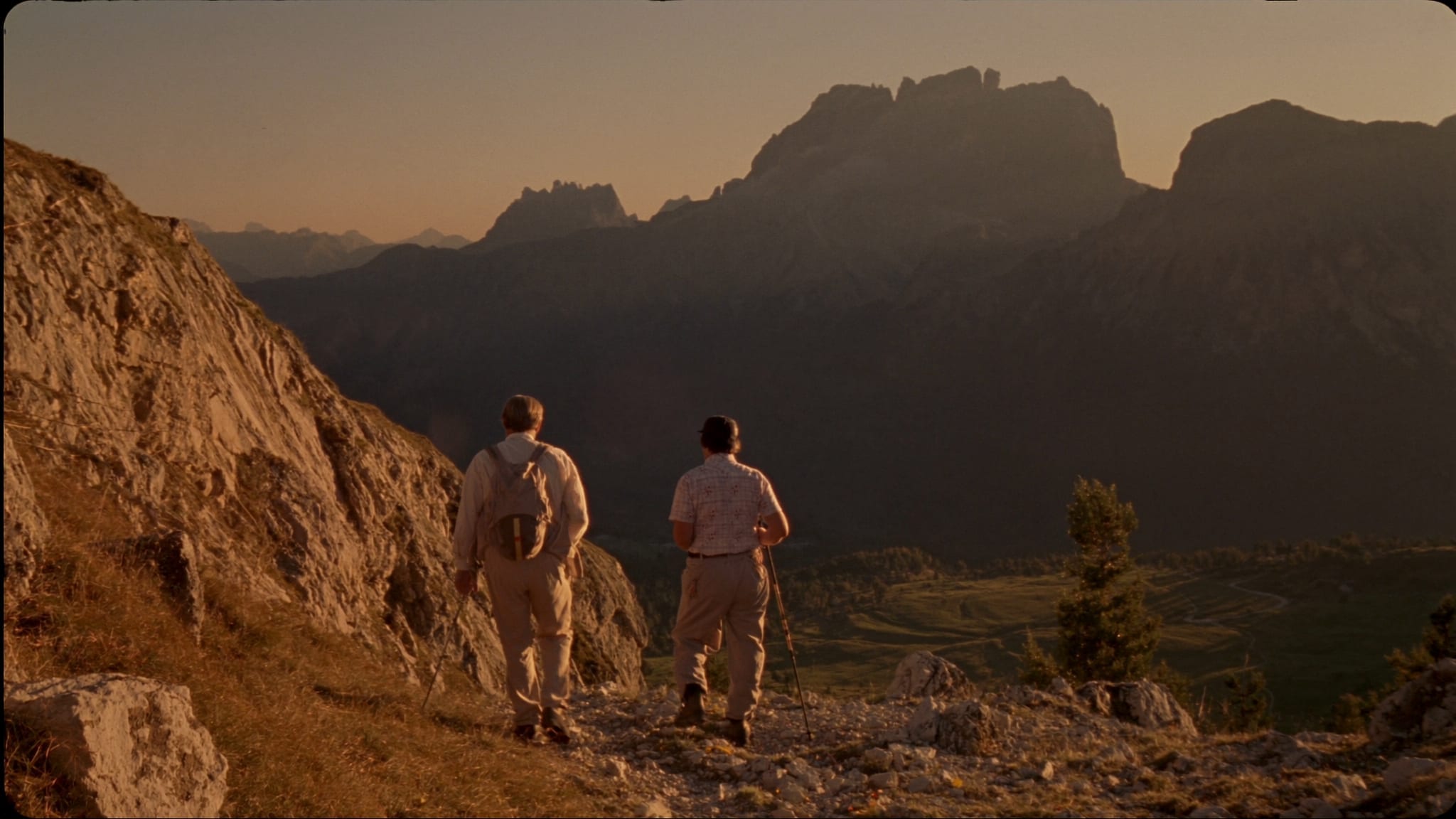
Because bending down, working, traveling, or walking in the mountains can become tiring, or even out of reach, when you no longer feel sure of your body.

  • Recurring pain and symptoms

    Identifying and addressing the whole-body movement relationships that can contribute to repeated stress, compensations, and pain. Learning personalized movement strategies that support movement recovery, encourage more efficient mechanics, and give you practical tools for managing your body beyond our sessions.

  • Return to activity

    Progressing from protected movement toward activities like walking, lifting, traveling, working, and everyday life.

  • Limits in movement

    Developing mobility and stability together, instead of training them as separate qualities.

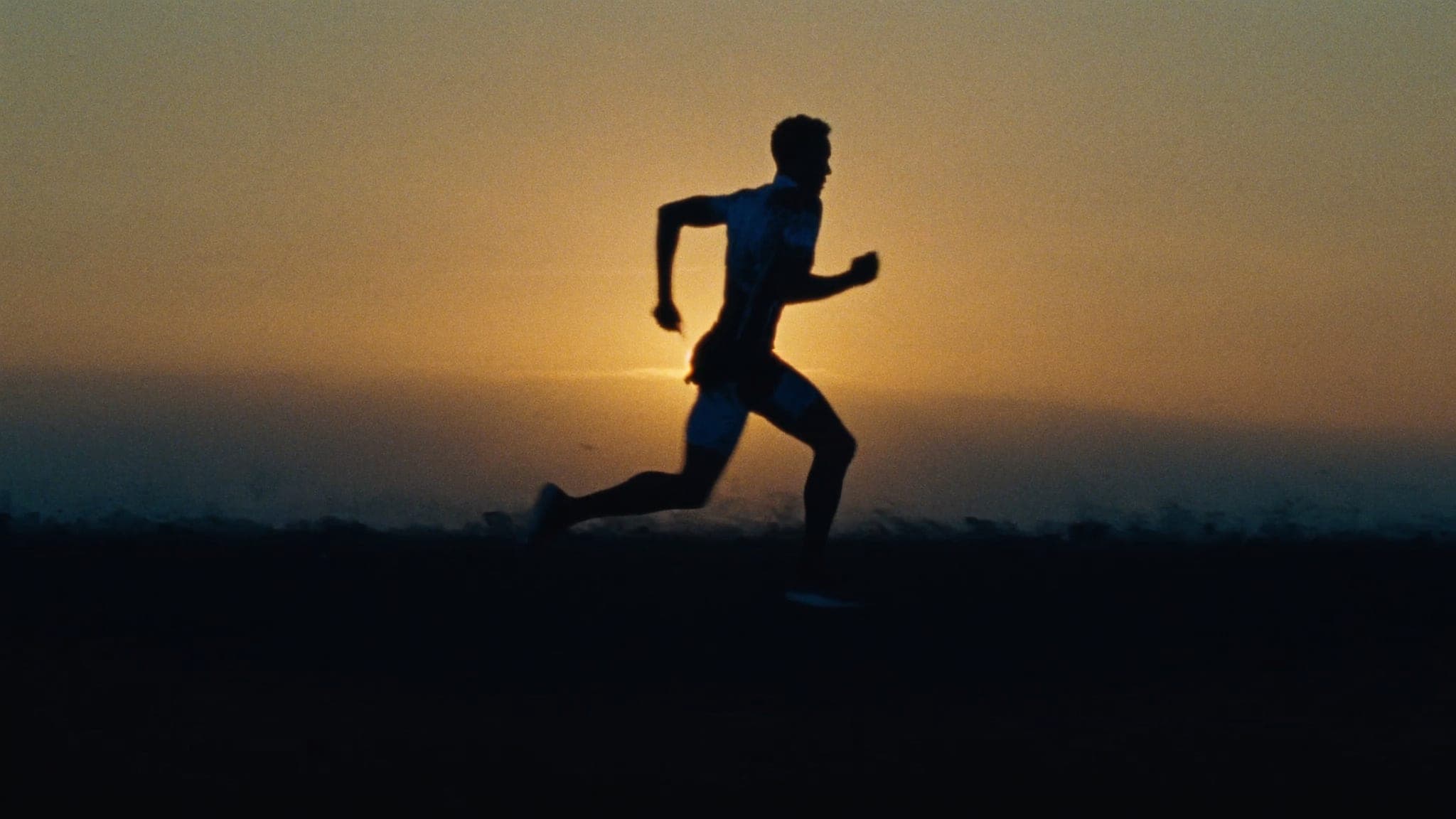
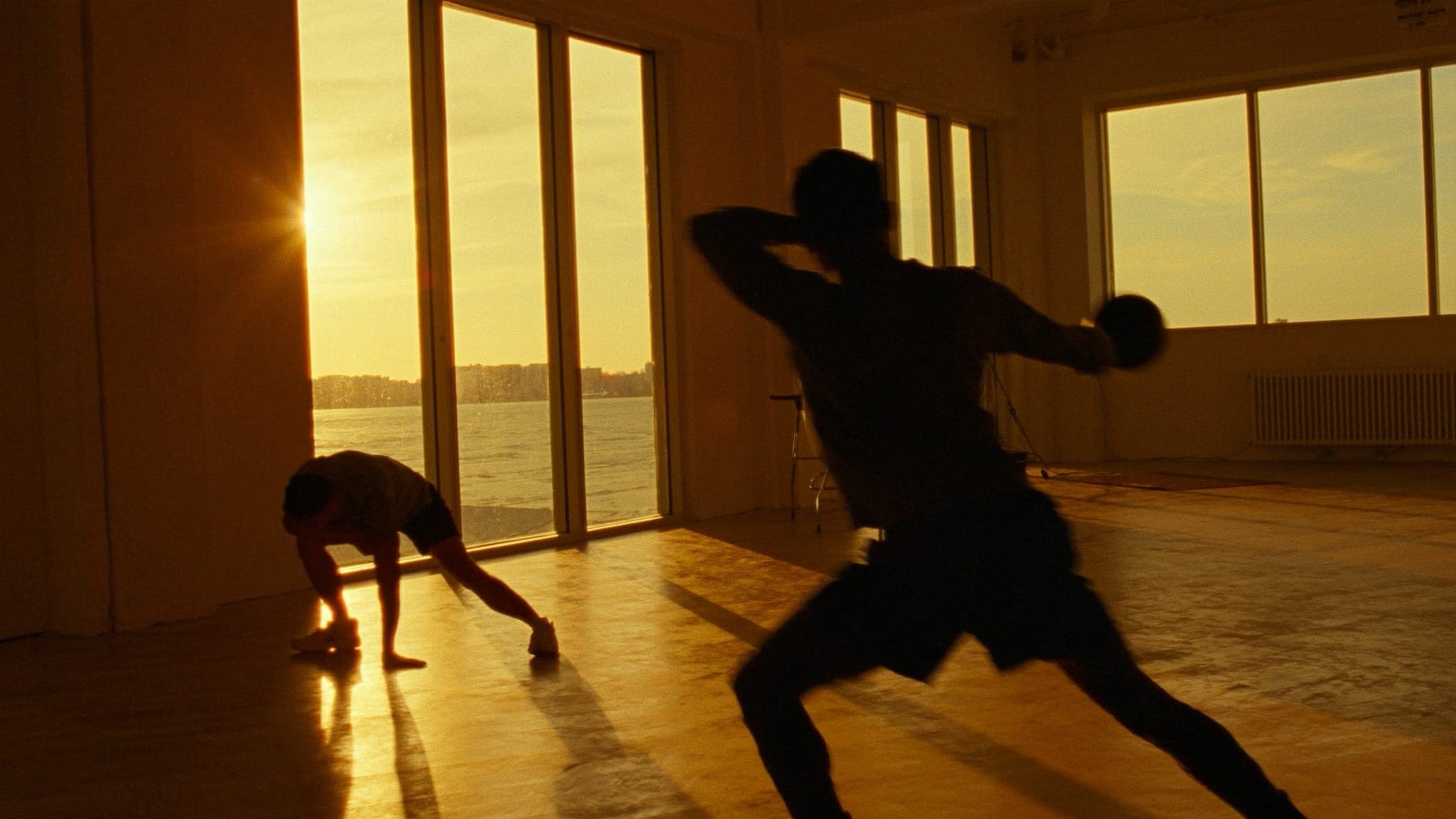
A studio at sunset, raking light on the floor and two bodies moving against the light.

Athletes and sport

Prepare for the reality of your sport.

  • Youth
  • Adults
  • Amateurs
  • Professionals

Train smarter. Perform better. Recover faster.

  • Most athletes train hard.
  • Very few train smart.
  • And almost none train with a movement specialist who understands the chain-reaction mechanics of the human body the way I apply them in my work.
  • You are here because you want more than sweat.
  • You want to stand out.
  • You want the edge that shows up in inches, in milliseconds, in the decisions your body makes before your mind does.
  • That is what I offer you.
  • Performance and capacity

    Improving how the body absorbs and manages forces, adapts to the demands of the sport, and expresses strength, speed, and power.

  • Continuity over time

    Preparing the body for the demands of your sport and building the capacities that let you keep playing it over time.

  • Education and autonomy

    Learning to use and adapt movement strategies chosen for your biomechanics and your sport. Practical tools that stay useful as your body and your goals change.

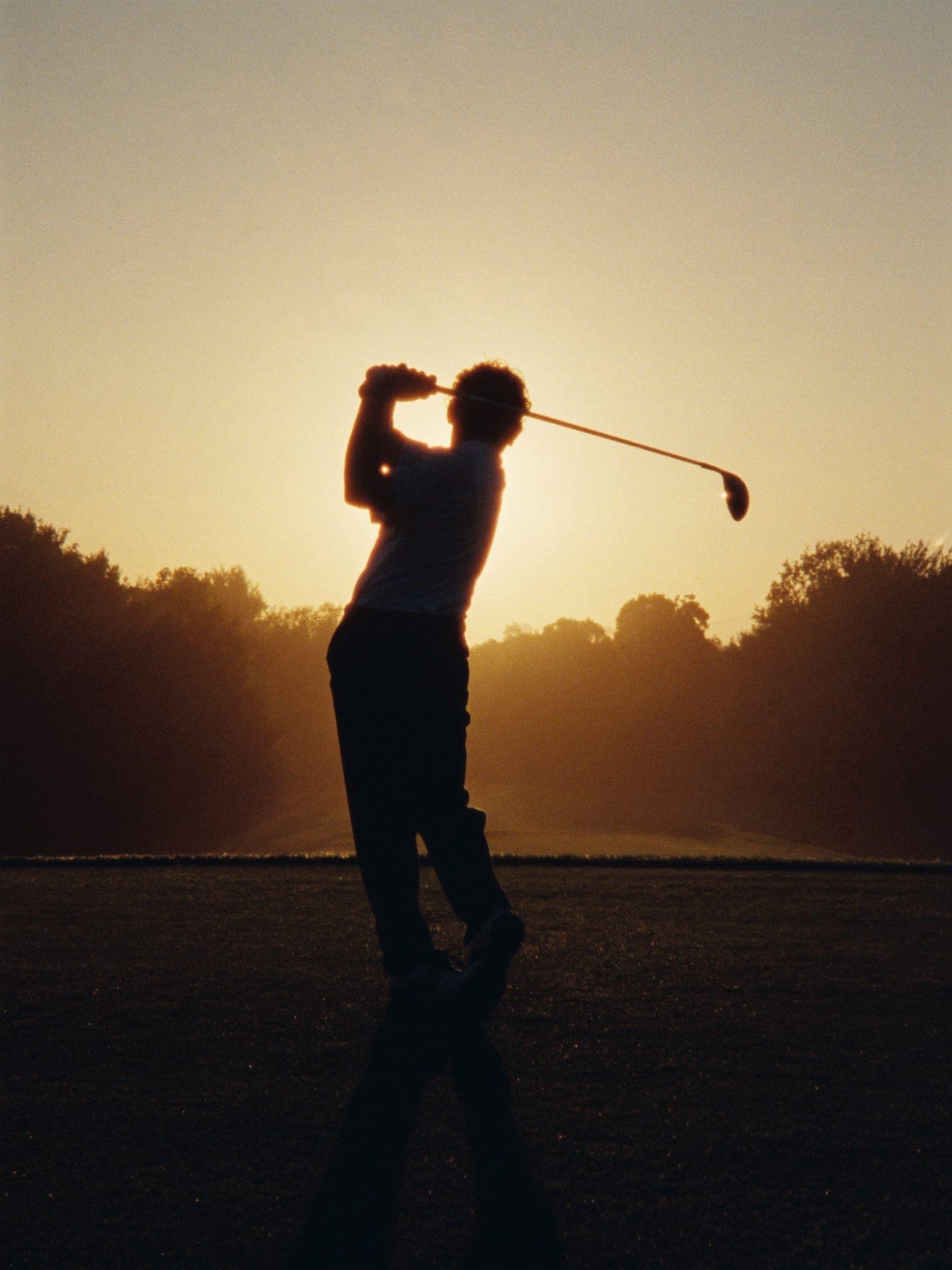
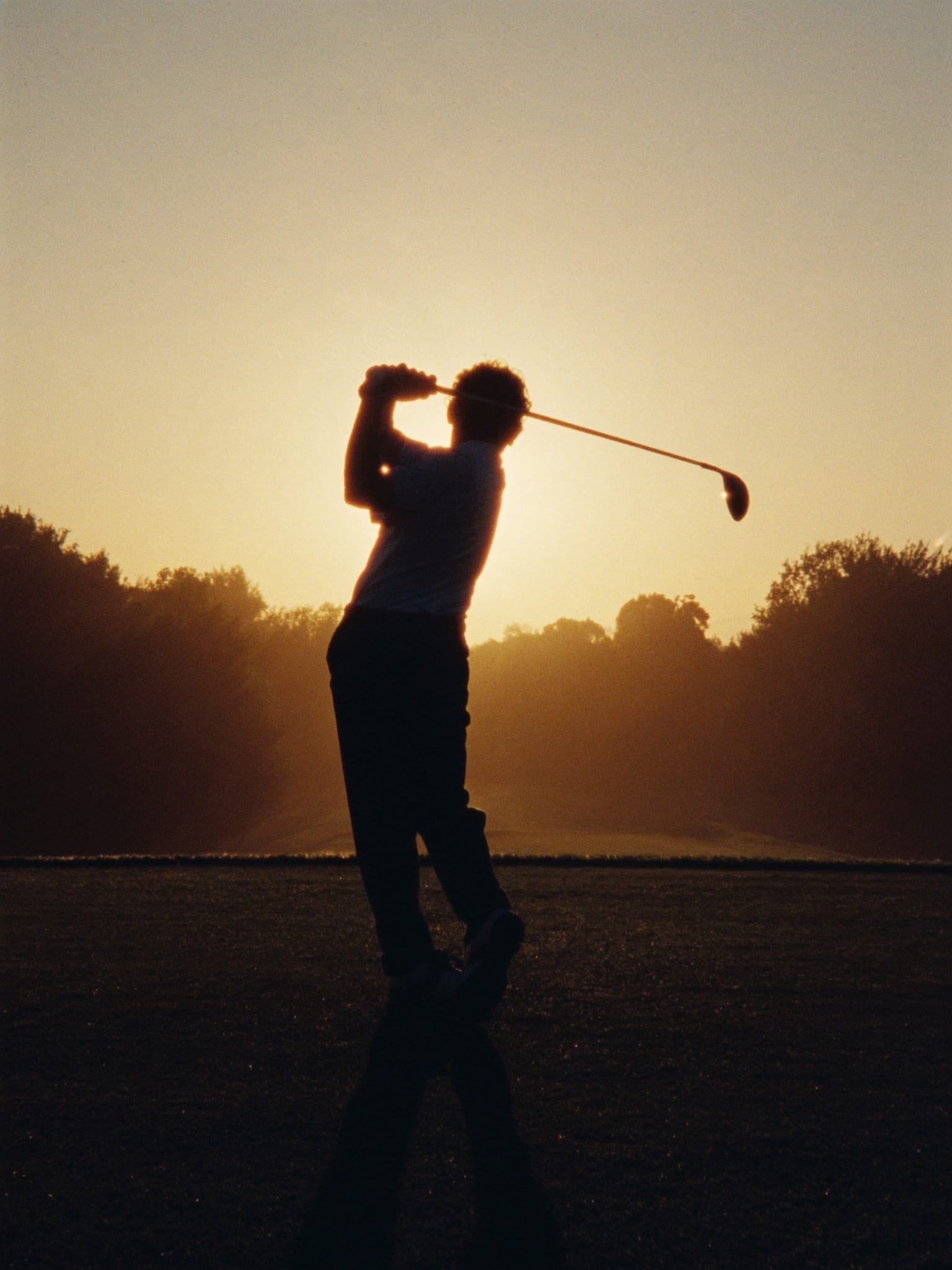
A golfer from behind at the top of the backswing, backlit at sunset on the fairway.
01 / 03

Golf

The swing starts from the ground. The ball only finds out at the end.

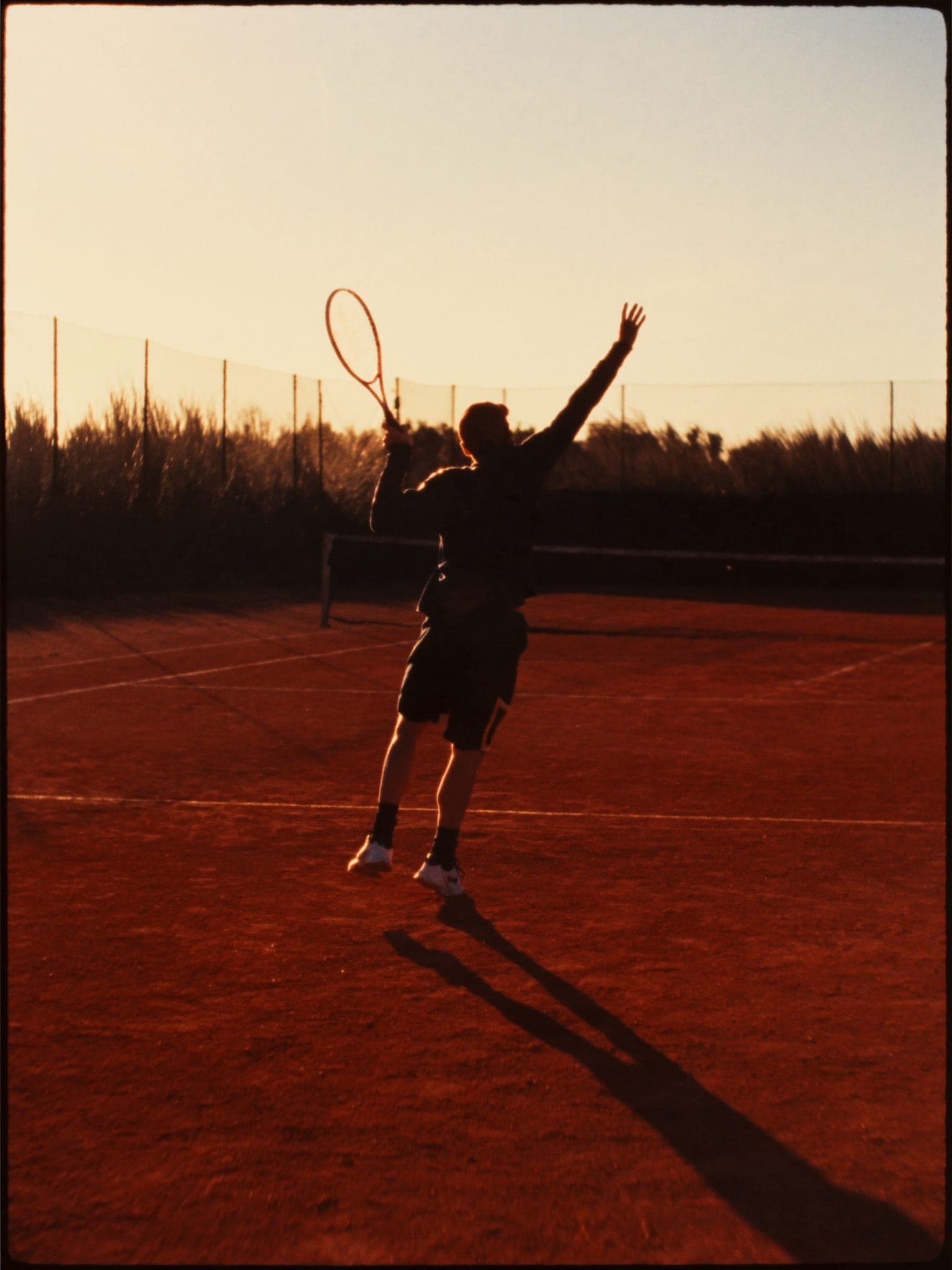
A tennis player from behind mid-serve, body extended, raking light on the clay.
02 / 03

Tennis

In the serve, the arm arrives last. The difference is the timing between pelvis and ribcage.

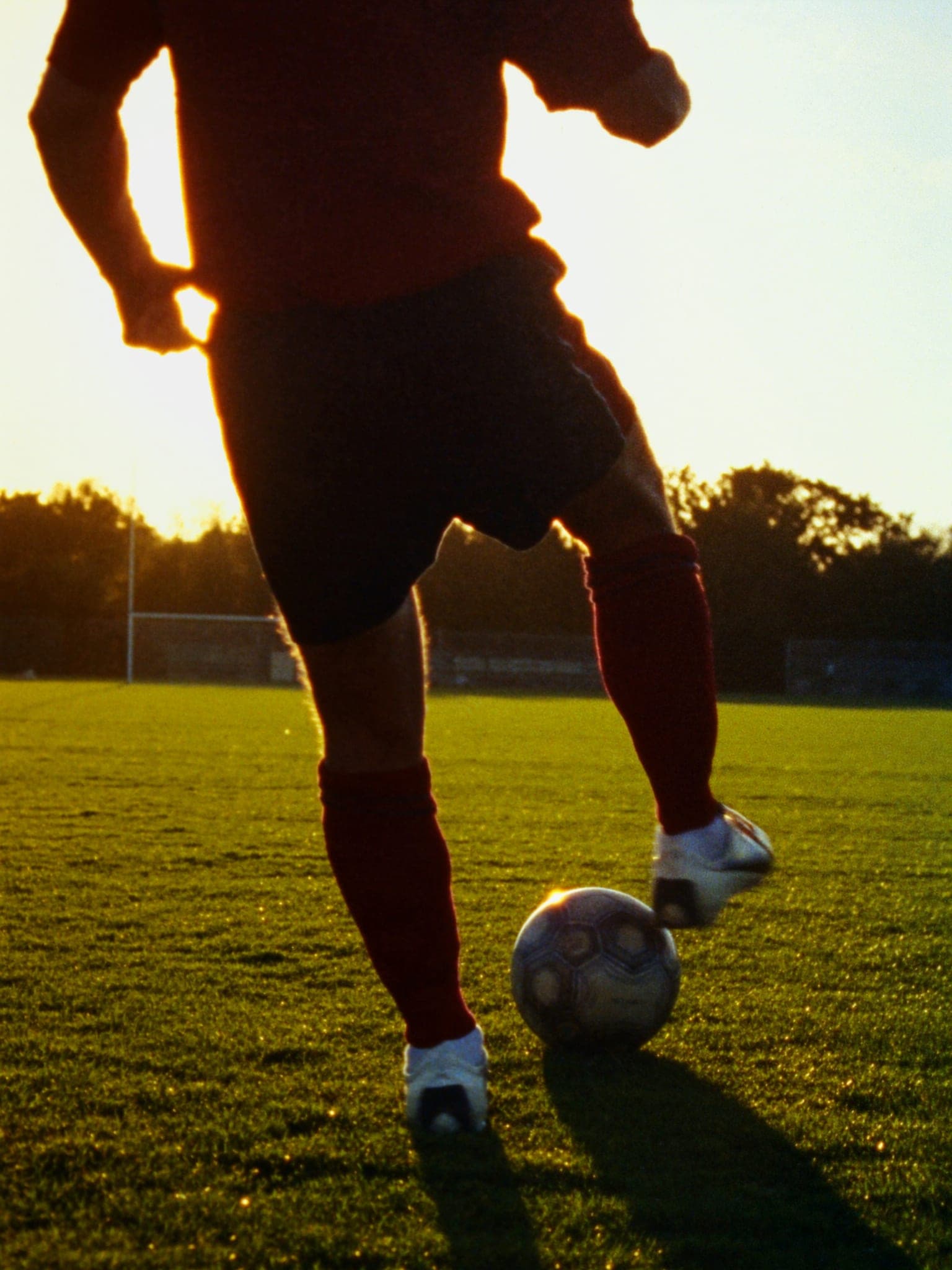
A soccer player from behind striking the ball, standing leg planted, low sun on the grass.
03 / 03

Soccer

A change of direction really counts when you don’t already know where you’re going.

VIIFAQ

Frequently asked questions

What should I expect from the first meeting?

Time set aside for you, your story, and what you want to get back. The assessment takes about 90 minutes and includes a movement analysis. Simple movements, tied to real life and adapted to what you can do. I explain what comes out of it and we start exploring the first movement strategies. From there we build a path around your goals, your difficulties, and your life.

I’m afraid exercise will make the pain worse. What should I do?

It is a very common fear, especially when pain has been with you for a long time. That is why we start by looking for movements your body can manage, adapting the work to how you respond. Step by step, we work to find possibilities and confidence again. The first meeting is also for this: working out together where you can begin.

I have a medical condition, or an old problem that never fully went away. Can you help me regain mobility and address the pain?

An old problem or a medical condition may have made you give up many things. We start from your story to understand which possibilities we can develop today. In my three years working in a center dedicated to movement recovery, I worked alongside people with very different needs and difficulties. When necessary, I talk with the healthcare professionals who follow you, so the work fits your situation.

I have already tried other approaches, or gyms. Why would this time be different?

I understand the question, especially if you have already invested time and energy without finding what you were looking for. My starting point is how your whole body moves as a system. I look at the relationships between its parts and build the work on your movements, your responses, and the activities that matter to you. The goal is to develop capacities you can take with you into everyday life.

Is this suitable if I am no longer young, or have trouble with balance?

Yes, we can build the work on what you can do. A progression of simple, targeted movements can be devoted to balance, stability, strength, and coordination. What matters is helping you feel safer in daily activities and keep your independence over time.
All the questions

A door left ajar, a blade of warm light coming through.

VIIIThe next step

Start with understanding.

If you live with recurring pain, limits in how you move, difficulty getting back to your activities, or a performance problem that has never been fully resolved, the most appropriate first step is a biomechanical assessment.