The Assessment
The Assessment
If you are not assessing, you are guessing.
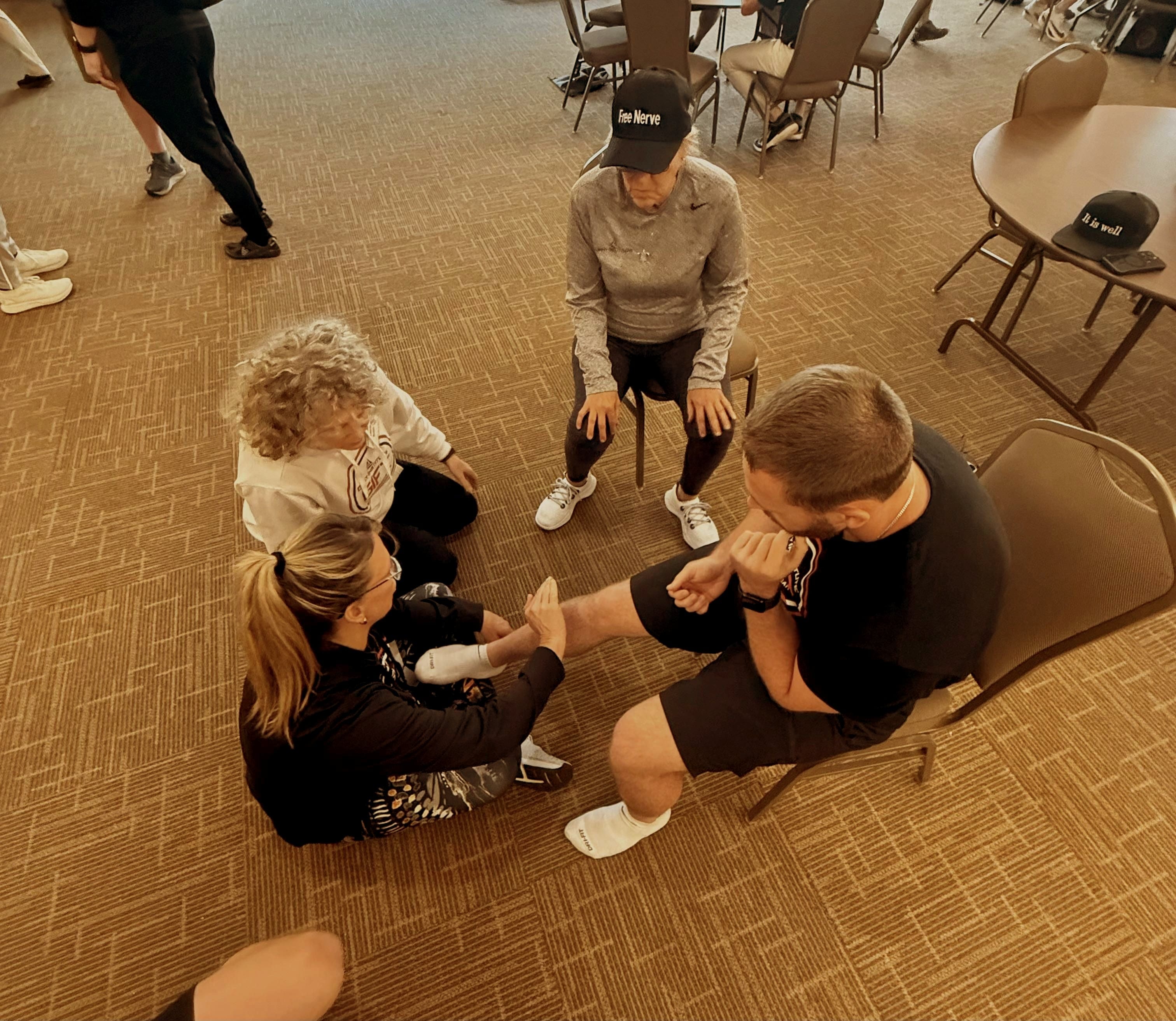
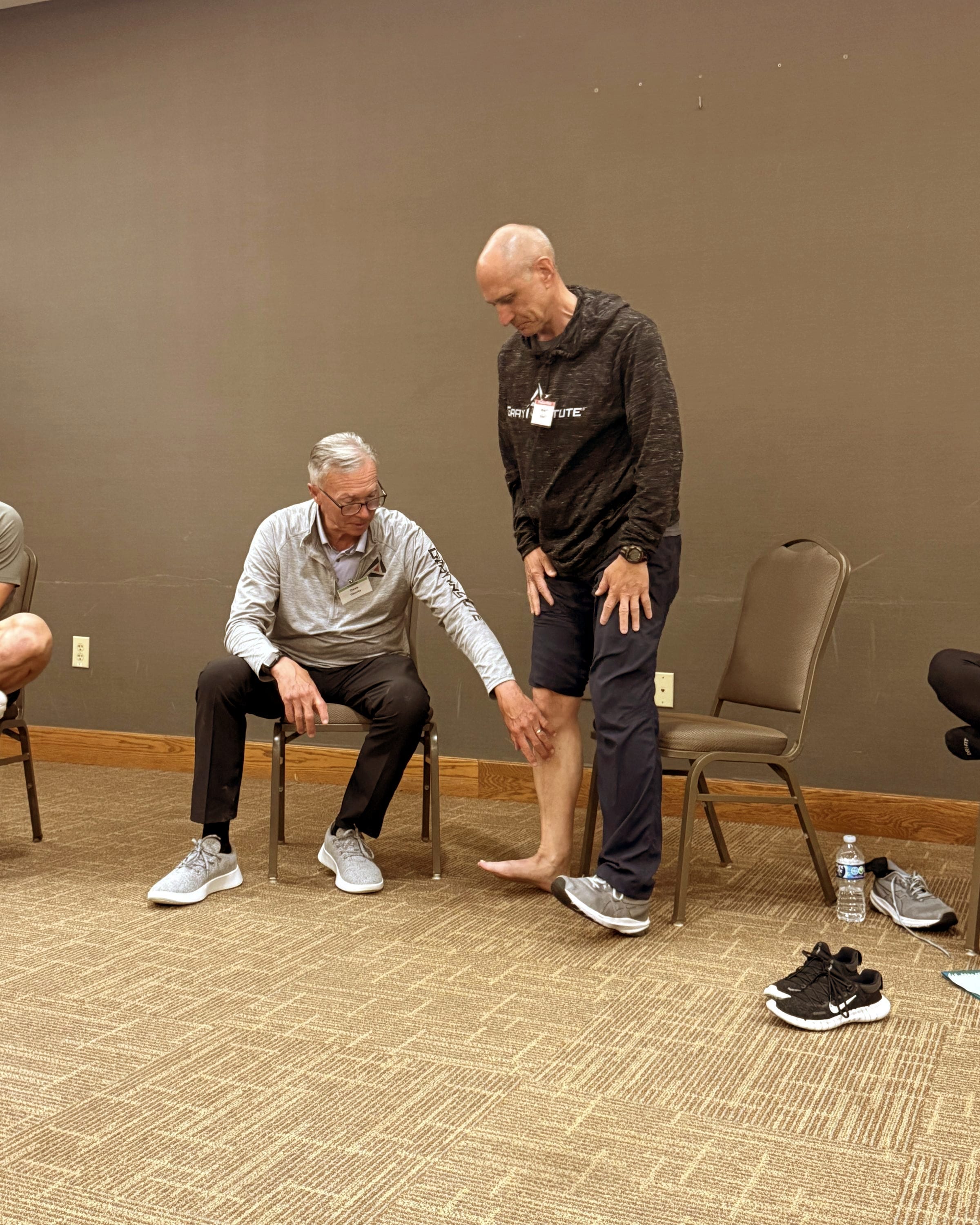
Ninety minutes to listen to your story, observe how you move and try the first working strategies.
We look for answers to specific questions.
- In which movements does your body move with ease and control?
- Where is movement limited, painful, or poorly controlled?
- How are forces absorbed and distributed?
- Where might the body be compensating?
- What changes when position, direction, range, or speed changes?
What you take home
The map of your story
We connect past setbacks, movement experiences and habits, building together a map of your story and of the factors that can influence how your body responds today.
A personalized video of your first exercises
To put into practice in the days that follow. You don’t need a gym: your body and a small space at home are enough.
Your life won’t wait. Why should you?
Applied Functional Movement Science
The foundation: movement recovery
Whether you are getting moving again after your medical care has run its course, or living with a persistent instability or that stubborn sense that “something still isn’t right,” your body deserves more than a list of exercises. I work in agreement with the people who follow you.
It deserves a method that rebuilds confidence, control, and resilience from the ground up.
Restoring fluid movement
You don’t just need exercises.
You need a system.
A system guided by science and grounded in biomechanics, one that re-educates the way your whole body moves, involving joints, planes of motion, and global movement patterns. My AFS-guided approach looks at the whole body: it works on the mobility that often gets left in the background, builds strength where your body actually needs it, and brings hidden compensations to light, so you can build other ways of moving.
Moving past inhibition
The goal is not only to help you recover: it is to help you trust your body again.
I guide you past the lingering hesitation, the compensations, and the fear of getting hurt again that hold so many people back. Every session builds control, stability, and awareness, grounded in understanding, not guesswork. You will learn to know your limits, expand them safely, and rediscover what it means to move without second-guessing.

The assessment shows where the path begins.
The assessment examines the relationships between movement and how forces are managed, identifies a personal starting point, and helps define the progression best suited to your goals.
At the end I explain what we observed and guide you through the first movement strategies. Together we identify the priorities and goals that will guide your path.
A path we build together.
During the program we will be in touch as often as we agree, based on your availability, even every day. That contact lets us follow your progress, deal with difficulties, and adapt the work to your responses.
Your participation is essential: what you do between meetings contributes to the path as much as the work we do together. Your investment includes a service that follows you and stays by your side for the whole length of the program.
My guidance. Our commitment.
We work together with discipline and lightness, so the path becomes a good part of your everyday life and helps you live with more confidence, energy, and freedom of movement.