Skip to content

Everyday life · Athletes and sport

Functional Fitness

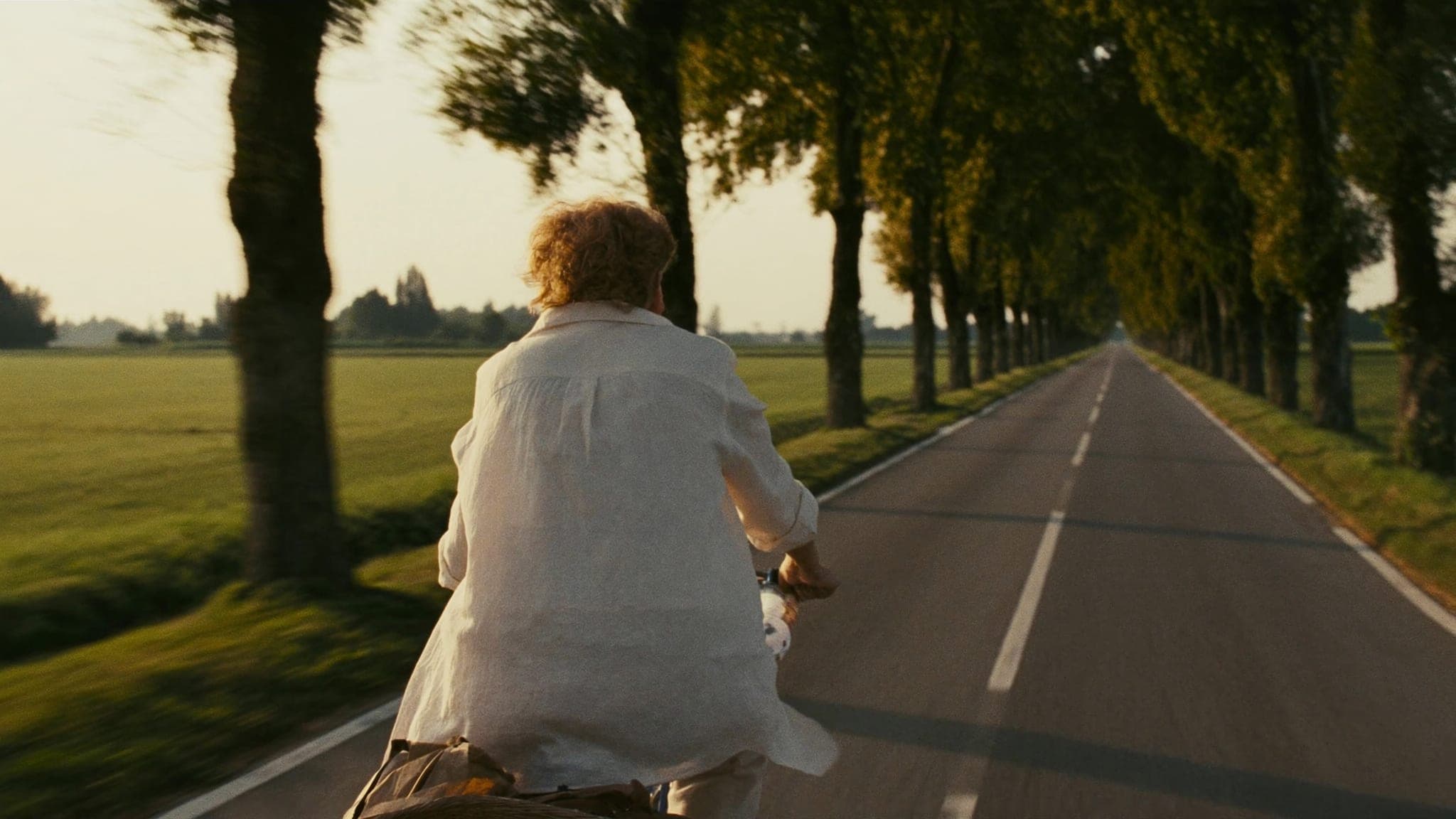
A woman seen from behind cycling down a straight road between two rows of trees, her white shirt moving in the wind, low sunset light over the fields.

Everyday life

Feel free to move again.

You should be able to do what you love. Even if you’re no longer twenty.

Because bending down, working, traveling, or walking in the mountains can become tiring, or even out of reach, when you no longer feel sure of your body.

  • Recurring pain and symptoms

    Identifying and addressing the whole-body movement relationships that can contribute to repeated stress, compensations, and pain. Learning personalized movement strategies that support movement recovery, encourage more efficient mechanics, and give you practical tools for managing your body beyond our sessions.

  • Return to activity

    Progressing from protected movement toward activities like walking, lifting, traveling, working, and everyday life.

  • Limits in movement

    Developing mobility and stability together, instead of training them as separate qualities.
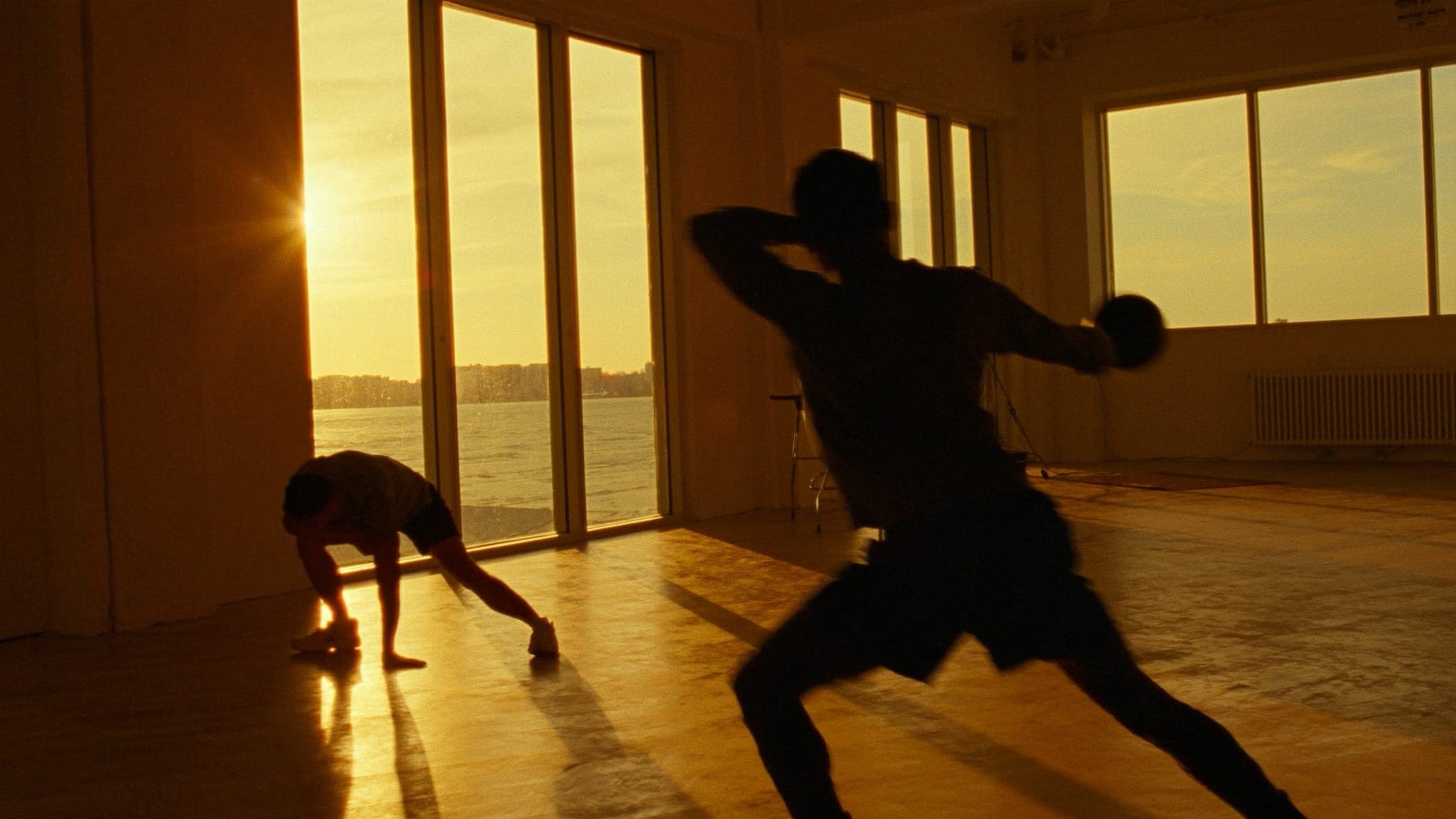
A studio at sunset, raking light on the floor and two bodies moving against the light.

Athletes and sport

Prepare for the reality of your sport.

  • Youth
  • Adults
  • Amateurs
  • Professionals

Train smarter. Perform better. Recover faster.

  • Most athletes train hard.
  • Very few train smart.
  • And almost none train with a movement specialist who understands the chain-reaction mechanics of the human body the way I apply them in my work.
  • You are here because you want more than sweat.
  • You want to stand out.
  • You want the edge that shows up in inches, in milliseconds, in the decisions your body makes before your mind does.
  • That is what I offer you.
  • Performance and capacity

    Improving how the body absorbs and manages forces, adapts to the demands of the sport, and expresses strength, speed, and power.

  • Continuity over time

    Preparing the body for the demands of your sport and building the capacities that let you keep playing it over time.

  • Education and autonomy

    Learning to use and adapt movement strategies chosen for your biomechanics and your sport. Practical tools that stay useful as your body and your goals change.

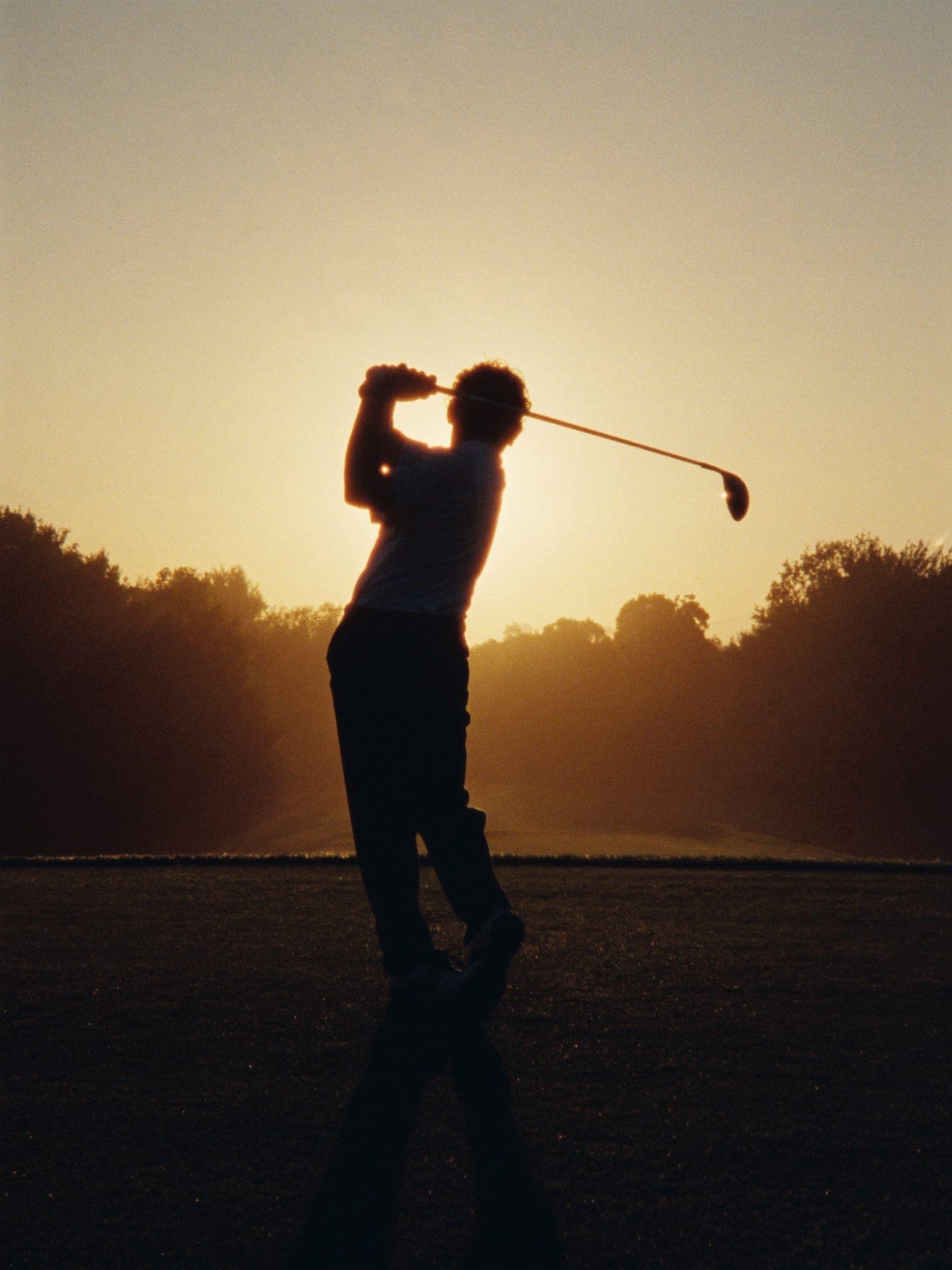
A golfer from behind at the top of the backswing, backlit at sunset on the fairway.
01 / 03

Golf

The swing starts from the ground. The ball only finds out at the end.

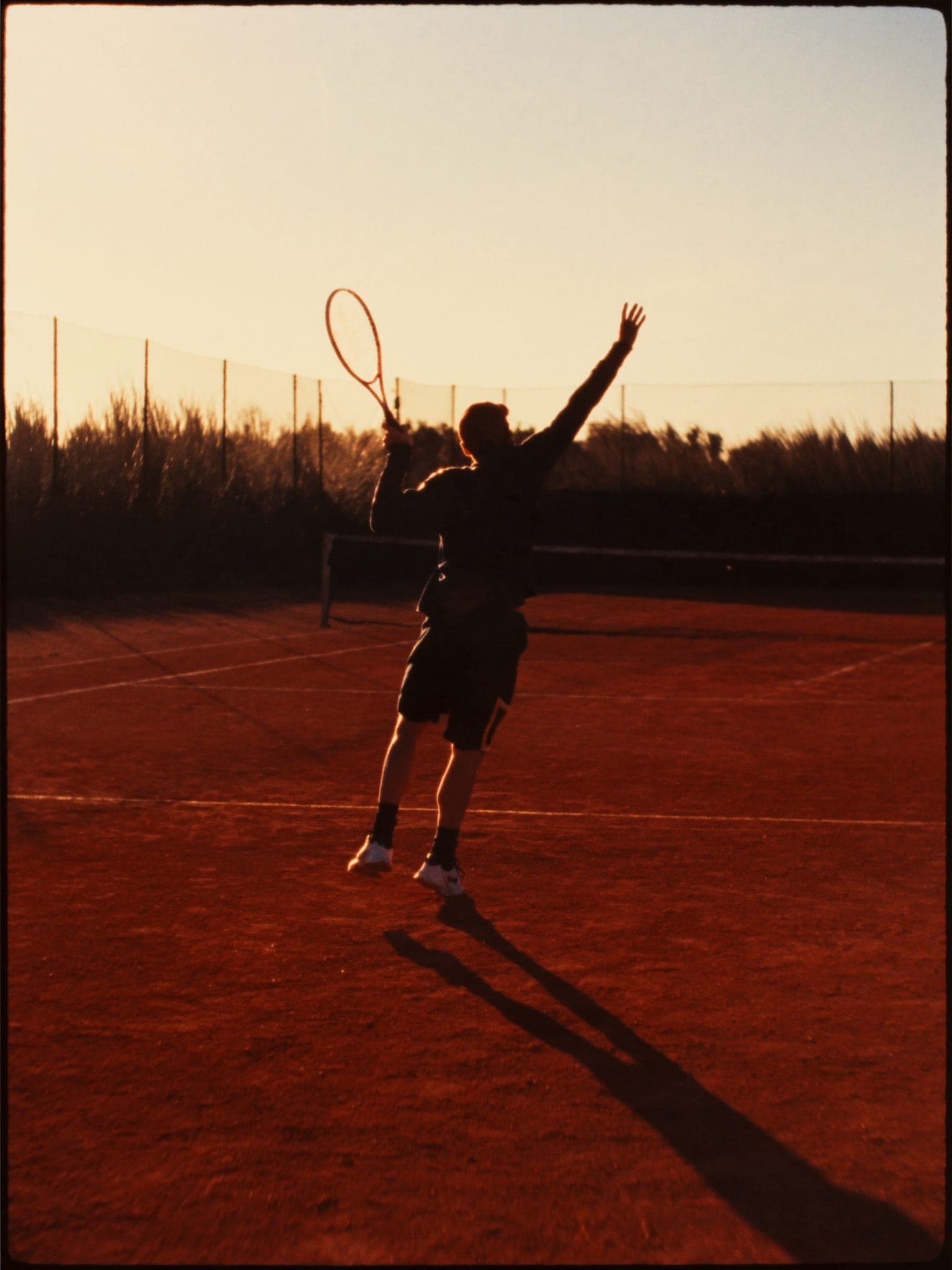
A tennis player from behind mid-serve, body extended, raking light on the clay.
02 / 03

Tennis

In the serve, the arm arrives last. The difference is the timing between pelvis and ribcage.

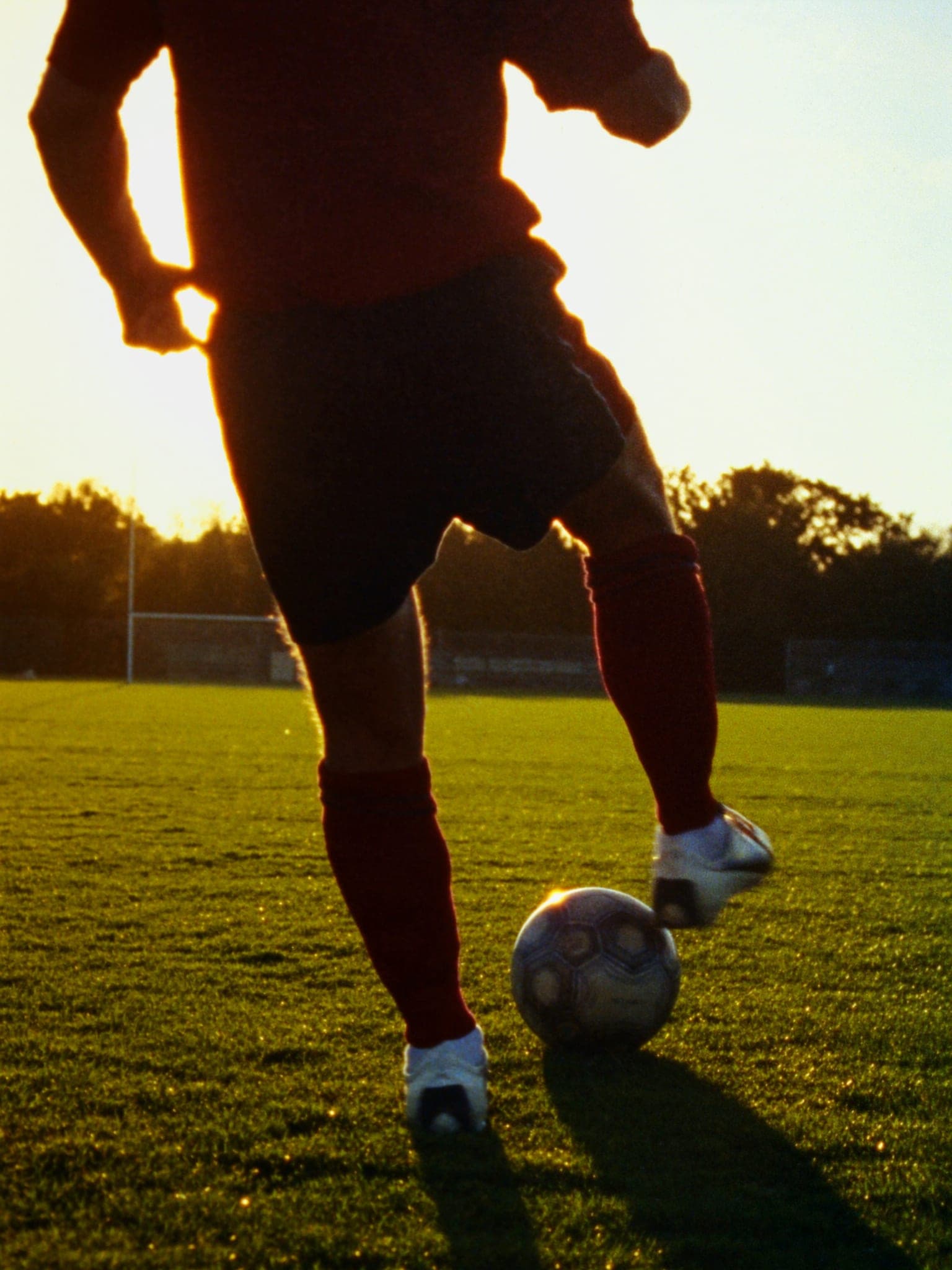
A soccer player from behind striking the ball, standing leg planted, low sun on the grass.
03 / 03

Soccer

A change of direction really counts when you don’t already know where you’re going.